Home & Property
Hiring an electrician? Electrical compliance certificates explained
Every electrical installation needs a valid certificate of compliance, and only a registered electrician may issue one. Here's when you need it and how to hire well.
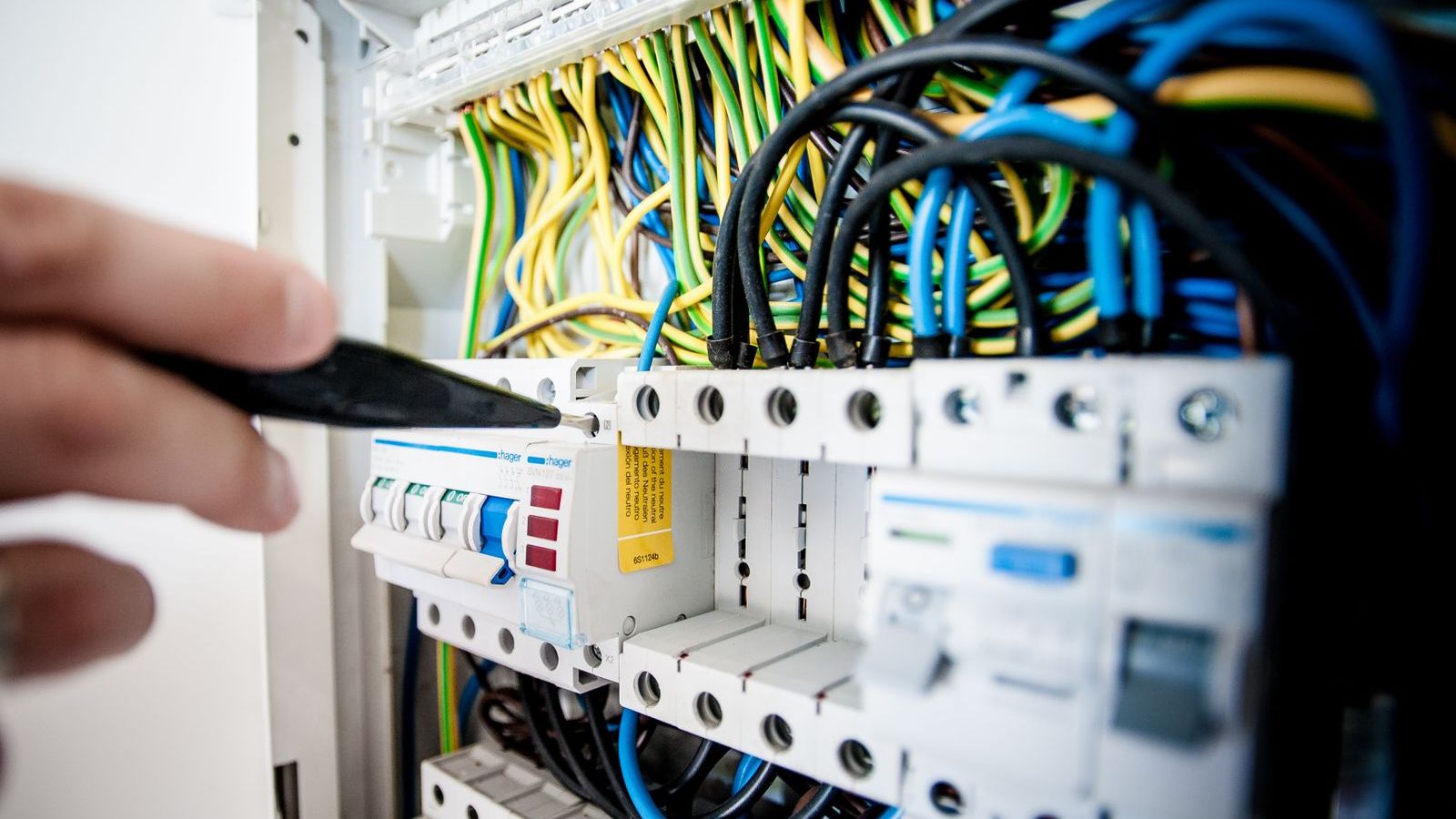
Whether you're adding plugs, renovating or selling your home, South Africa's Electrical Installation Regulations decide who may certify the work. Knowing the basics helps you hire the right person and avoid problems when you sell.
What is a certificate of compliance?
- Certificate of compliance (CoC)
- A certificate, issued by a registered person, confirming that an electrical installation (or part of it) was inspected and tested. It must be accompanied by a test report.
Under the Electrical Installation Regulations, 2009, every user or lessor of an electrical installation must have a valid certificate of compliance for it, and must produce it on request to an inspector or the electricity supplier.
Who may issue one
Only a registered person may issue a certificate of compliance. The regulations recognise three categories:
| Category | May certify |
|---|---|
| Electrical tester for single phase | Installations supplied by a single-phase supply, excluding specialised installations |
| Installation electrician | Any electrical installation, excluding specialised installations |
| Master installation electrician | Any electrical installation, including specialised installations |
When you need a new certificate
- After any addition or alteration: you need a certificate of compliance for at least the work that was added or changed.
- When selling or transferring a property: the regulations do not allow a change of ownership if the certificate of compliance is older than two years.
- Older homes: installations that existed before 23 October 1992 with no change of ownership after 1 March 1994 are exempt — until any addition or alteration is made, after which the whole installation needs a certificate.
Tip
Check the registration category
Before you pay, ask to see the electrician's registration and confirm which category they are registered in. A single-phase tester, for example, can't certify a three-phase installation.
Hiring an electrician
When you hire
- Ask for proof of registration and the category
- Get a written quote that includes the certificate and test report
- Compare at least two quotes for bigger jobs
- Agree on start and completion dates
- Keep the certificate and test report with your property documents
You can find electricians through recommendations, local directories, or matching services such as ProConnect SAAffiliated service, which connects homeowners with plumbers, electricians and other professionals. Whichever route you use, the same checks apply.
If the work isn't up to standard
Section 54 of the Consumer Protection Act gives you the right to services of the quality people are generally entitled to expect. If they fall short, you can require the supplier to fix the defect or refund a reasonable portion of the price. A registered person must also withhold the certificate until any fault found during inspection has been fixed.
Frequently asked questions
Who can issue an electrical certificate of compliance?
Only a registered person: an electrical tester for single phase, an installation electrician or a master installation electrician, each within the scope of their registration.
Do I need a new CoC when selling my house?
The Electrical Installation Regulations do not allow a change of ownership if the certificate of compliance is older than two years.
Do I need a certificate for small alterations?
Yes. After an addition or alteration, you need a certificate of compliance for at least that addition or alteration.